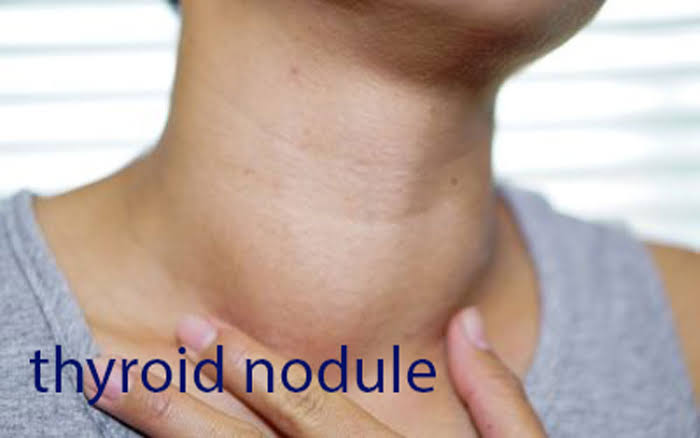
A thyroid nodule is a lump that develops within the thyroid gland and is often discovered during a routine examination, ultrasound, or investigation for neck-related symptoms. Many thyroid nodules are benign and may not require immediate treatment. However, nodules that grow over time, cause pressure symptoms, create cosmetic concerns, or show specific features on evaluation may require active management.
Thyroid Nodule Ablation treatment in srinagar is a minimally invasive approach that may be considered for selected patients with appropriately evaluated thyroid nodules. Depending on the type, size, location, symptoms, and clinical findings, techniques such as radiofrequency ablation (RFA) or other thermal ablation methods may be discussed by a specialist.
For patients looking for Thyroid Nodule Treatment, the first step should always be a proper assessment rather than choosing a procedure based only on symptoms or online information. Dr. Irshad Banday can evaluate the thyroid nodule and discuss whether ablation or another treatment option is appropriate.
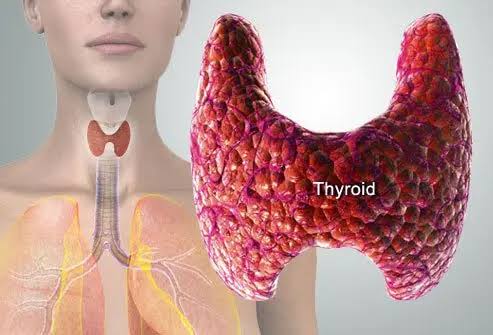
Understanding Thyroid Nodules: Symptoms, Causes and Diagnosis
What is a thyroid nodule?
A thyroid nodule is an abnormal growth or area of tissue within the thyroid gland. Nodules can be solid, cystic, or partly solid and cystic. Most thyroid nodules are benign, but a small proportion may be associated with thyroid cancer.
Thyroid Nodule Ablation treatment in srinagar is generally considered only after the nodule has been properly evaluated and its suitability for ablation has been established.
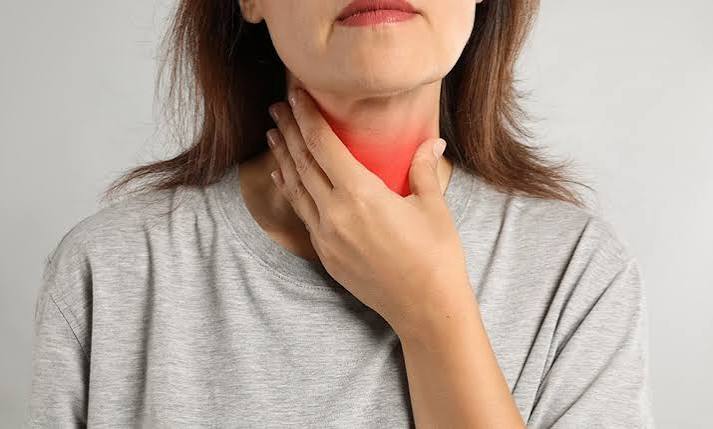
What symptoms can thyroid nodules cause?
Many thyroid nodules do not cause any symptoms. When a nodule becomes larger, however, patients may experience:
- A visible or palpable lump in the neck
- A feeling of pressure or fullness in the throat
- Difficulty swallowing
- Discomfort around the front of the neck
- A sensation of something being present in the throat
- Changes in the appearance of the neck
- Occasionally, breathing discomfort when a large nodule produces pressure
Some thyroid nodules can also be associated with excessive thyroid hormone production, although this depends on the specific nodule and the patient’s thyroid function.
What causes thyroid nodules?
Thyroid nodules can develop for several reasons. Possible factors include changes in thyroid tissue, iodine-related factors, thyroid inflammation, multinodular thyroid disease, and other cellular changes.
Age, sex, family history, previous radiation exposure, and certain thyroid conditions can also influence the risk profile. However, the presence of a thyroid nodule does not automatically mean that a person has thyroid cancer.
How are thyroid nodules diagnosed?
- A comprehensive evaluation may include:
- Clinical examination: The doctor examines the neck and thyroid gland and reviews symptoms and medical history.
- Thyroid ultrasound: Ultrasound helps assess the nodule’s size, composition, margins, vascularity, and other characteristics.
- Thyroid blood tests: Tests such as TSH may be recommended to understand thyroid function.
- FNAC or biopsy: Fine-needle aspiration cytology may be recommended when the ultrasound appearance, size, or other factors indicate that tissue evaluation is necessary.
- Additional assessment: In selected situations, further investigations may be advised based on the clinical and ultrasound findings.
- This evaluation is particularly important before considering Thyroid Nodule Treatment Without Surgery because ablation is not appropriate for every thyroid nodule.
Thyroid Nodule Ablation: Procedure and Treatment Options
What is thyroid nodule ablation?
- Thyroid nodule ablation is a minimally invasive procedure designed to reduce the volume of a suitable thyroid nodule. Instead of surgically removing the thyroid tissue, a thin treatment needle is guided into the targeted nodule under imaging guidance. Thermal energy may then be delivered to the selected tissue.
- Radiofrequency ablation is one commonly used thermal ablation technique. The treated tissue gradually shrinks over time rather than disappearing immediately after the procedure.
- For appropriately selected patients, Thyroid Nodule Ablation treatment in srinagar can provide an alternative to conventional surgery in situations where ablation is clinically suitable.
Who may be considered for ablation?
Suitability depends on several factors, including:
- Whether the nodule has been adequately investigated
- Whether the nodule is benign or otherwise appropriate for ablation
- Nodule size and volume
- Symptoms caused by the nodule
- Cosmetic concerns
- Location of the nodule
- Thyroid function
- Previous investigations or treatments
- Overall patient health and individual circumstances
A specialist should determine whether ablation is appropriate after reviewing imaging and other diagnostic findings.
How is the procedure performed?
The exact technique depends on the patient’s condition and the ablation method being used. Generally, the procedure involves:
- Reviewing ultrasound and other relevant investigations.
- Positioning the patient comfortably.
- Using ultrasound guidance to identify the thyroid nodule.
- Administering appropriate local anaesthesia.
- Introducing a specialised needle or electrode into the targeted tissue.
- Delivering controlled energy to the selected areas.
- Monitoring the treatment under ultrasound guidance.
- Completing the procedure once the planned treatment area has been adequately addressed.
The objective is to treat the targeted nodule while protecting surrounding structures.
Is thyroid nodule ablation the same as thyroid surgery?
- No. Surgery and ablation are different approaches.
- Surgery involves physically removing part or all of the thyroid tissue containing the nodule. Ablation aims to destroy targeted nodule tissue through controlled energy without surgically removing the thyroid gland.
- Thyroid Nodule Treatment Without Surgery may therefore be an option for carefully selected patients, but it should not be considered a universal replacement for surgery.
Thyroid Nodule Ablation vs surgery
|
Factor |
Thyroid Nodule Ablation |
Thyroid Surgery |
|
Approach |
Minimally invasive |
Surgical |
|
Thyroid tissue |
Targeted tissue is treated |
Part or all of the thyroid may be removed |
|
Incision |
Usually no conventional surgical incision |
Surgical incision required |
|
Anaesthesia |
Often performed with local anaesthesia |
Anaesthesia requirements depend on surgery |
|
Hospital stay |
Often short, depending on circumstances |
May require a longer recovery period |
|
Suitability |
Selected nodules |
Depends on diagnosis and surgical indication |
|
Follow-up |
Ultrasound monitoring is generally required |
Follow-up depends on procedure and thyroid status |
The appropriate option depends on the diagnosis, clinical findings, nodule characteristics, patient preferences, and specialist assessment.
Benefits, Recovery, Cost Factors and Patient Considerations
Potential benefits of thyroid nodule ablation
For suitable patients, potential benefits may include:
- Minimally invasive treatment
- No conventional surgical removal of the thyroid
- Targeted treatment of the nodule
- Preservation of surrounding thyroid tissue
- Reduction in nodule volume over time
- Improvement in pressure or cosmetic symptoms in appropriate cases
- Generally limited recovery compared with major surgery
The expected outcome varies between patients. Nodule shrinkage occurs progressively, and follow-up imaging is important for assessing the response.
For patients researching Thyroid Nodule Ablation treatment in srinagar, understanding these benefits alongside the limitations is important before making a treatment decision.
What is recovery like after ablation?
- Recovery varies according to the individual and the procedure performed. Many patients can return to normal activities relatively quickly, but the treating specialist will provide specific instructions.
- Temporary tenderness, mild swelling, discomfort, or bruising around the treatment area may occur. Patients should follow post-procedure instructions and attend scheduled follow-up appointments.
- Ultrasound follow-up is commonly used to assess changes in the nodule over time. The nodule does not necessarily shrink immediately; reduction generally occurs progressively.
Are there risks?
- Like any medical procedure, thyroid ablation has potential risks. These can include pain, swelling, bleeding, infection, skin injury, voice changes due to nerve irritation or injury, and changes in thyroid function. Serious complications are uncommon when appropriate patient selection, imaging guidance, and procedural precautions are used, but they cannot be completely eliminated.
- Patients should discuss potential complications and expected outcomes with their treating specialist before undergoing treatment.
What factors affect the cost of treatment?
There is no single fixed cost for Thyroid Nodule Treatment because the overall treatment plan depends on the patient's individual condition.
Factors that may influence the cost include:
- Nodule size and number
- Diagnostic investigations required
- Type of ablation technique
- Complexity and location of the nodule
- Facility and procedural requirements
- Specialist consultation and follow-up
- Additional investigations or treatment that may be required
A personalised assessment is therefore necessary before providing meaningful cost information.
Frequently Asked Questions
1. Is thyroid nodule ablation suitable for everyone?
No. Ablation is intended for selected patients after appropriate clinical, ultrasound, and cytological or other diagnostic evaluation. A specialist must determine whether the nodule is suitable.
2. Can benign thyroid nodules be treated without surgery?
Yes, some appropriately evaluated benign thyroid nodules may be treated using minimally invasive ablation techniques. Thyroid Nodule Treatment Without Surgery should only be considered after confirming that the patient and nodule meet appropriate treatment criteria.
3. Is radiofrequency ablation painful?
The procedure is generally performed with local anaesthesia and measures are taken to minimise discomfort. Some patients may experience temporary discomfort or tenderness afterward.
4. How long does a thyroid nodule take to shrink after ablation?
Nodule shrinkage is gradual rather than immediate. The extent and speed of reduction vary depending on the nodule and individual patient factors, so follow-up ultrasound is important.
5. Can thyroid ablation affect thyroid function?
One potential advantage of treating a selected nodule without removing part or all of the thyroid is preservation of functioning thyroid tissue. However, thyroid function can vary between individuals and should be monitored when clinically indicated.
6. Is thyroid ablation better than surgery?
A treatment should not be selected simply because one approach is generally preferable. Surgery and ablation have different indications, benefits, limitations, and risks. The appropriate choice depends on the patient's diagnosis and individual circumstances.
7. How do I find thyroid nodule treatment near me in Srinagar?
Patients searching for thyroid nodule treatment near me should look for an appropriately qualified specialist and a centre equipped to perform the necessary diagnostic assessment and image-guided procedure. The specialist should first determine whether ablation is appropriate.
8. Will I need follow-up after thyroid nodule ablation?
Yes. Follow-up is important to monitor nodule size, symptoms, thyroid function when required, and the response to treatment.
9. Can thyroid cancer be treated with thyroid nodule ablation?
The role of ablation in thyroid cancer is different from its use for appropriately selected benign nodules. A suspicious or malignant thyroid lesion requires specialist evaluation and an appropriate cancer treatment plan rather than assuming that routine nodule ablation is suitable.
Choosing the Right Thyroid Nodule Treatment
Choosing Thyroid Nodule Treatment should begin with an accurate diagnosis. Patients should not select an ablation procedure solely because it is minimally invasive. Ultrasound findings, cytology, symptoms, thyroid function, nodule characteristics, and individual medical circumstances all need to be considered.
For people considering Thyroid Nodule Ablation treatment in Srinagar, a specialist consultation can help clarify whether ablation, observation, medication where applicable, surgery, or another treatment strategy is appropriate.
Dr. Irshad Banday can assess the patient's thyroid nodule and discuss suitable minimally invasive treatment options based on the available clinical and imaging findings.
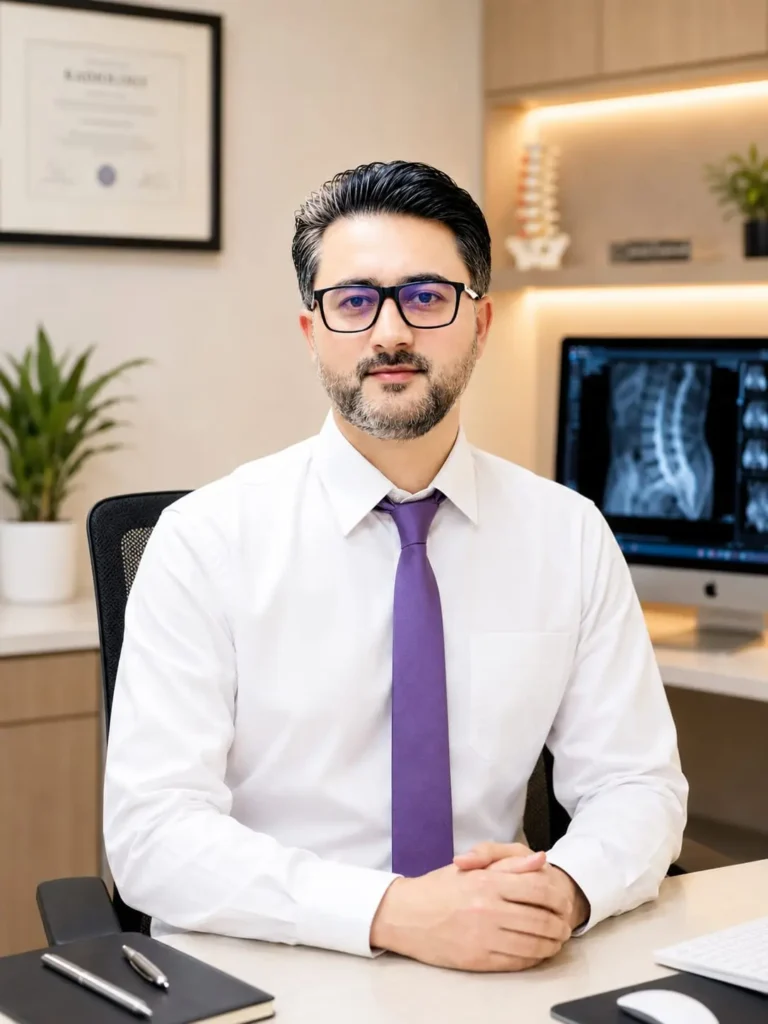
Dr.irshadbanday
Conclusion: Explore Personalised Thyroid Nodule Treatment in Srinagar
Thyroid nodules are common, and many do not require immediate intervention. When treatment is necessary, the appropriate approach depends on the diagnosis, symptoms, size, location, thyroid function, and other individual factors. For selected patients, ablation may offer a minimally invasive approach that targets the nodule while avoiding conventional surgical removal.
Thyroid Nodule Ablation treatment in srinagar should always begin with proper diagnostic assessment and specialist evaluation. There is no universal treatment or fixed cost that applies to every patient.
If you have a diagnosed thyroid nodule, persistent neck swelling, pressure symptoms, or concerns about available treatment options, Book an appointment with Dr. Irshad Banday for a personalised evaluation. Discuss your ultrasound, FNAC/biopsy results, symptoms, and treatment goals during the consultation to determine the most appropriate next step.
Thyroid Nodule Ablation treatment in srinagar may be considered when the patient's clinical findings meet appropriate criteria and the specialist determines that ablation is a suitable option.